
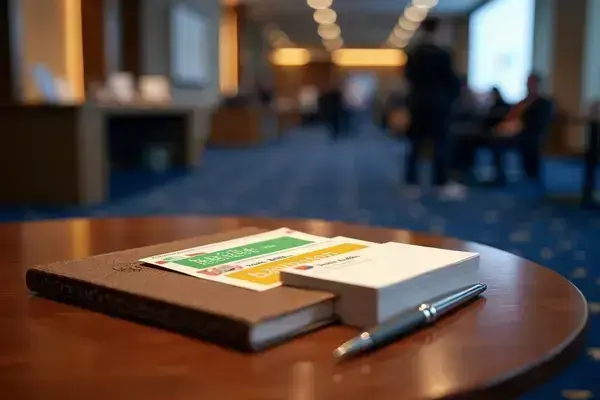
Ever walked into a career fair feeling that mix of excitement and mild panic? Picture this: hundreds of booths, endless chatter, and everyone desperately trying to make the right impression. Suddenly, your palms are sweaty and your practiced speech seems to vanish.
That feeling isn’t just you. Most people show up underprepared, hoping their resume will do the heavy lifting—only to leave more stressed and no closer to their next opportunity. The truth is, a little preparation isn’t just helpful; it’s what separates lasting connections from exchanged business cards that collect dust.
By the end of this guide, you’ll have career fair preparation tips that go way beyond basics. You’ll know exactly how to plan, what to say, and how to network with purpose—so you walk away feeling confident and remembered. Let’s dive into what really works.
Why Preparation Makes All The Difference
Walking into a career fair without a plan can feel like stepping onto a football field in flip-flops—excited, but definitely at a disadvantage. Most attendees underestimate just how much advance prep tips the scale. The truth is, serious employers and university career centers all say the same thing: those who prepare get noticed, those who don’t get lost in the crowd.
Here’s the thing: career fairs aren’t just busy—they’re competitive. Recruiters see hundreds of students in a single day, and strong first impressions hinge on more than a firm handshake. Preparation shows up as confidence, clarity, and that rare ability to ask a meaningful question rather than just handing over a resume.
💡 Pro Tip: According to the National Association of Colleges and Employers (NACE), candidates who research companies before the event are 30% more likely to receive a follow-up interview request. Preparation isn’t just politeness—it’s your best edge.
In practice: picture this scenario. You show up early, polished portfolio in hand. You’ve reviewed which companies are attending, browsed their latest news, and even flagged three must-meet reps. Next to you, someone’s frantically Googling company names on their phone (hoping autocorrect saves them from embarrassment). When a recruiter asks what you know about the company, who stands out?
| Preparation Level | Outcome | Recruiter Impression |
|---|---|---|
| No Prep | Generic questions, rushed intro | Forgettable, passes over quickly |
| Some Prep | Asks basic company info | Polite, but not memorable |
| Full Prep | Insightful questions, tailored answers | Stands out, likely to be flagged for follow-up |
And honestly? The quickest way to build momentum at a fair is to stride in with a game plan—knowing who you want to talk to and what you hope to share. Preparation means you won’t freeze or fumble when it’s your turn at the booth. What actually works might surprise you…
Researching Companies And Roles In Advance
What makes someone truly stand out at a career fair—and save time for both themselves and recruiters? It’s simple: targeted research before you step onto the expo floor. The real question is, why take chances when companies publish so much gold online for free?
You’ll want to dig deeper than just a company’s homepage. Check out their careers page, recent press releases, and even employee reviews on platforms like Glassdoor. This is where you’ll find out not just what jobs exist, but what the organization actually values and the qualities they seek.
- Top three things to learn: company mission, last year’s big projects or news, and what a typical early-career role actually involves.
- Don’t stop at one company—aim for at least five that match your skills and interests.
- Bring specific notes: job titles, locations, and a question tailored to each recruiter.
💡 Pro Tip: According to the National Association of Colleges and Employers, students who mention a company’s current project or product are up to 40% more likely to receive personalized responses from recruiters.
In practice: A candidate strolls into the fair, looks at the booth for DataGen Solutions, and immediately asks the rep about their upcoming expansion into healthcare analytics—a detail spotted in a recent press release. Suddenly, it’s not just another generic conversation; it’s a thoughtful one, and the recruiter is hooked.
| What To Research | Where To Look | Why It Matters |
|---|---|---|
| Company mission/values | Official careers page | Helps you align talking points authentically |
| Recent projects/news | Press release/LinkedIn | Shows real interest & gets recruiters’ attention |
| Open roles’ requirements | Job postings | Lets you tailor your intro—and spot red flags early |
Here’s the thing: custom research almost always sparks a more genuine connection. But there’s one detail most attendees completely overlook until it’s too late…
Perfecting Your Introduction And Elevator Pitch
Ever freeze up when you know the spotlight is about to be on you? You’re not alone. A polished introduction and elevator pitch don’t just happen by accident—they’re crafted, practiced, and shaped to make the recruiter’s ears perk up. This part is all about presenting who you are and why you matter, in about 30 seconds flat.
Your pitch should be more than your major and graduation date. Think of it as your professional highlight reel: the value you offer, what drives you, and how that connects to the company. The best elevator pitches also include a specific ask or a tailored insight, showing you did your homework.
- Start with your name and current academic or job status.
- Mention a relevant achievement or skill (quantified if possible—think GPA, leadership role, or technical certification).
- Share your area of interest and what attracts you to this company or role.
- Add a unique fact, story, or recent project to stand out.
- End with a question or action request—like asking about a business unit or internship timeline.
💡 Pro Tip: NACE recommends timing your elevator pitch with a stopwatch—it should clock in under 45 seconds for best engagement. Practice out loud until it feels as natural as introducing yourself to a new friend.
Picture this scenario: You’re at the point where the recruiter turns, makes eye contact, and says, “Tell me about yourself.” Instead of stumbling, you say confidently, “Hi, I’m Asha Green, a junior finance major who spent last summer interning at CitiBank’s private wealth division…” That little spark of relevant specifics? It instantly sets you apart from 20 other introductions.
- Keep your language conversational, not robotic.
- Use active verbs and positive framing.
- Be ready with a friendly smile—even if you’re nervous.
And this is exactly where most people make the most common mistake…
Smart Materials To Bring To Every Career Fair
What separates the attendees who get callbacks from those who fade into the crowd? Often, it’s a matter of showing up with the right materials on hand—tools that not only showcase your preparation, but also make every interaction smoother and more impactful.
- Polished, printed resumes: Bring at least 10–15 copies, on heavy-weight professional paper, to instantly convey attention to detail.
- Business cards: Even if you’re still a student, these cards offer a crisp way to be remembered after the event. Include your LinkedIn, phone, and a brief tagline (such as “STEM Student | Data Analytics”).
- Portfolio or folder: Keeps everything organized and prevents paper from getting crumpled—plus, it gives you a surface to write follow-up notes right after each conversation.
- Notebook and pen: Not just for jotting down recruiter names—also perfect for quick reminders about which companies impressed you (and why).
- A compact list of target companies and job roles: It’ll keep you focused under pressure and help you refer to conversation starters you prepared.
💡 Pro Tip: CareerOneStop, a resource from the U.S. Department of Labor, suggests using a slim padfolio with a built-in business card holder—it’s professional, protects your papers, and helps you navigate between booths without juggling loose items.
Picture this scenario: You walk up to a booth and a recruiter asks if you have a resume. You produce one from your sleek folio—no awkward searching, no crumpled corners. She smiles, notices your personal branding on the business card tucked inside, and mentions you’re the first applicant today to bring a physical portfolio for review. Instantly, you’re memorable—and you haven’t even started your pitch yet.
| Material | Why It’s Essential | Pro Packing Tip |
|---|---|---|
| Resume Copies | Leaves a strong first impression | Use heavyweight, non-glossy paper |
| Business Cards | Keeps your contact top of mind | Include a LinkedIn QR code |
| Notebook & Pen | Quick notes for follow-ups | Go for a pocket-sized option |
What actually works might surprise you…
Building Lasting Connections Beyond The Event
How do you turn a quick booth conversation into a real professional relationship? That’s the question that separates a short-term impression from genuine opportunity. Building lasting connections after a career fair takes intentional follow-up and a little strategic thinking.
- Organize your notes right after the fair—jot down names, company details, and any specific conversation highlights so you won’t scramble later.
- Send a personalized thank-you email within 24–48 hours. Mention something unique you discussed to jog their memory.
- Connect on LinkedIn with a brief custom message, referencing the fair or your chat (“I enjoyed talking about DataGen’s analytics team at the university expo—would love to stay in touch!”).
- Stay proactive: if a recruiter mentioned a hiring timeline, set a reminder to check back. Polite follow-ups signal true professionalism, not desperation.
- Keep a simple relationship tracker—an Excel sheet or note app—where you log your contacts, outreach dates, and next actions.
💡 Pro Tip: According to the National Association of Colleges and Employers (NACE), students who follow up with recruiters are twice as likely to move forward in the hiring process. Consistency and polite persistence matter more than ‘who you know’ alone.
In practice: A week after the career fair, you see a role posted at a target company. Because you shared your resume and sent a thoughtful follow-up, you’re no longer a stranger—you’re a familiar name in the recruiter’s shortlist.
- Update your LinkedIn with fresh skills and new connections.
- Engage occasionally with recruiters’ updates or company news posts—no spamming!
- Prepare quick talking points to use if a contact calls back unexpectedly.
The right habits in place now make everything easier from here.
Career Fairs Feel So Much Simpler Now
If you take just one thing from this guide, let it be: focused preparation—plus a bit of genuine curiosity—is the fastest way to make real connections. By using these career fair preparation tips, you’ll walk in with confidence, stand out when it matters, and follow up like a pro.
Before, career fairs felt chaotic and stressful—you never really knew what worked or how to get noticed. Now, you know exactly what to research, how to craft your pitch, what to bring, and how to keep relationships going after the event. Suddenly, those big opportunities don’t feel out of reach. You’re ready and in control.
Which of these preparation steps are you most excited to try at your next career fair? Share your thoughts or stories in the comments below—we can’t wait to hear how it goes!

Alex Jordan Bennett is a student success enthusiast and academic planning writer dedicated to helping college students stay organized, manage their time, and build the habits they need to thrive. With a passion for practical study systems, campus life guides, and career preparation tools, Alex built this blog to give every student the practical resources they need to succeed from freshman year through graduation and beyond.