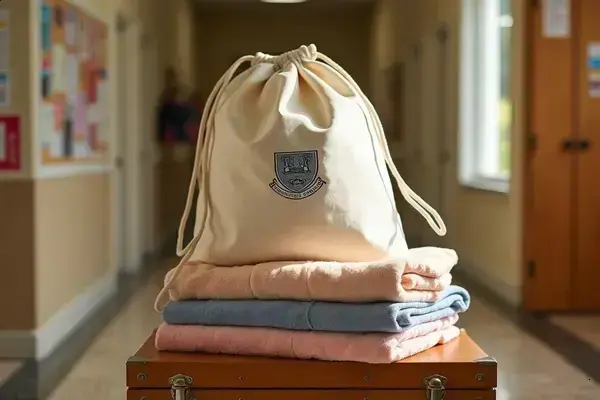
Imagine standing in a cramped campus laundry room, clutching a bright red sock and your favorite white T-shirt—heart pounding a little as you wonder, “How many ways can this go wrong?”
The truth is, one bad laundry day can turn your clothes into tie-dye disasters or sweaters sized for a toddler. It isn’t just about clean or dirty: it’s ruined outfits, wasted allowance, and the slow, creeping dread of wearing that one pair of jeans way too often.
Here’s the thing: with a handful of college laundry tips beginners actually use, you’ll sidestep the rookie mistakes and keep your wardrobe fresh (and intact). Your future self will thank you—let’s dive right into the hacks that matter most.
Common Laundry Mistakes New College Students Make
Why do so many college freshmen end up with shrunken sweaters, shirts in odd colors, or jeans two sizes too small by mid-semester? The truth is, most laundry disasters aren’t about bad luck — they’re caused by classic rookie mistakes that are totally avoidable once you know what to look for.
- Overloading the washer: It feels efficient, but packing in every shirt and sock means nothing gets properly clean. The American Cleaning Institute recommends filling the drum just two-thirds full so clothing actually tumbles.
- Mixing lights and darks: Sounds obvious, yet who hasn’t rushed to wash a mountain of clothes without sorting? One red sock in a load of whites can turn everything pale pink — permanently.
- Using too much detergent: More doesn’t mean cleaner. Extra soap leaves residue that makes clothes stiff and irritates sensitive skin. In practice: picture this scenario—your favorite tee comes out of the dryer, but it feels oddly sticky and smells off, not fresh.
- Ignoring care labels: Those tiny fabric tags aren’t just suggestions. Tossing a “cold wash only” hoodie in hot water spells shrinkage or warping that’s tough to undo.
💡 Pro Tip: Always check pockets before loading your clothes. Coins, tissues, and even forgotten pens can cause stains or block the washer’s drainage — something campus maintenance crews warn about every semester.
| Mistake | What Happens | How to Prevent It |
|---|---|---|
| Mixing Colors and Whites | Color bleeding, all clothes fade | Sort by shade and fabric type |
| Overpouring Detergent | Residue buildup and itchy skin | Follow bottle dosing instructions |
| High Heat Drying | Shrunken, warped clothing | Use the “Low” or “Delicate” dryer setting |
Picture this scenario: It’s 10pm, you’re out of clean towels, and you throw everything you own into one giant load hoping for the best. One hour later, nothing’s really clean or dry. That dreaded mildew smell? Nearly impossible to get out. Studies from the Good Housekeeping Institute show the importance of correct sorting and dosing to extend the life of your wardrobe — and save money replacing ruined items.
But there’s one detail most new students completely overlook until it’s too late…
How To Sort, Wash, And Dry Your Clothes Without Drama
Ever stood by the laundry machine and thought, “Is it really that big a deal if I just toss everything in together?” Here’s the thing: the way you sort, wash, and dry your laundry can be the difference between a wardrobe that lasts and a closet full of faded, shrunken regrets.
- Gather your laundry and check pockets. Any coins, tissues, or lip balm left behind can ruin clothes—or the machine. Do this for every load, every time.
- Sort by color and fabric type. Split laundry into whites, darks, and colors. Also separate delicate fabrics (like athletic wear or lingerie) from heavy ones (like towels or jeans).
- Choose the right detergent and measure carefully. Use HE (high-efficiency) detergent if your dorm machines require it. The American Cleaning Institute recommends following the dosing lines—more is not better!
- Pick your water temperature. Cold water works best for most clothes and helps prevent fading, but bedding and towels get cleaner with warm or hot water.
- Don’t overload the washer. Leave enough space so clothes can move freely. Overstuffing means your stuff won’t clean or rinse right.
- Dry clothes according to fabric needs. Delicates air dry flat, most apparel prefers medium heat, towels and sheets can handle higher heat. When in doubt, check the care tag.
- Required items: Laundry baskets or bags for sorting, gentle and regular detergent, fabric softener or dryer sheets (optional), mesh laundry bag for delicates, access to washer and dryer.
⚠️ Important Warning: Always read the care label before your first wash; some clothes have special instructions that, if ignored, permanently damage the fabric. According to Consumer Reports, dryer misuse is a leading cause of wardrobe shrinkage and color loss among college students.
In practice: picture this scenario — you followed the steps, pulled out your laundry, and everything’s clean, fresh, and the right size. No mysterious blue tint on your whites, no socks welded together, and you actually feel proud unloading the dryer. Kind of addictive, actually.
But what actually works when it comes to decoding those cryptic laundry symbols and picking the right detergent? The answer might surprise you…
Decoding Laundry Labels And Choosing The Right Detergent
Ever find yourself staring at those tiny symbols on a clothing tag, squinting and hoping for the best? You’re not alone. Understanding laundry labels and picking the right detergent can be the difference between clothes that last all year and ones that end up a size too small—or two shades lighter.
| Symbol | What It Means | Action Step |
|---|---|---|
| Bucket with dots | Number of dots = water temp | One dot cold, two warm, three hot |
| Triangle | Bleach allowed (plain only) | If crossed, skip bleach |
| Circle in square | Tumble dry symbol | Lines = low/no heat, dots for heat level |
Picture this scenario: You’ve just bought a hoodie that cost more than your monthly snack budget. The tag reads “wash cold, dry flat, no bleach.” Miss the details and you’ll end up with a sweater fit for a pet. It’s not just about saving money—it’s about keeping the things you actually like looking new.
- Choosing detergent: Don’t stress about buying the priciest brand. Instead, focus on what your clothes need. Liquid detergents dissolve easily and work well with cold cycles—perfect for everyday loads. Powder detergents shine with heavily soiled stuff, like gym gear or sports uniforms. Pod detergents are ideal (and mess-free) for beginners but watch out: overdosing is a real risk if you use more than one per load.
- Allergies or sensitive skin? Look for “free & clear” detergents, which skip dyes and perfumes. According to the American Academy of Dermatology, these are safest for anyone prone to itching or rashes.
💡 Pro Tip: Always measure your detergent, even for pods—one is enough unless you have a super huge load. Extra soap leaves residue, which can actually attract dirt and make fabrics feel stiff.
And honestly? College laundry rooms eat lost instruction tags like lunch. Snap a pic of important care instructions on your phone as soon as you unpack. Once you master the label and product basics, you’ll spot problem items before they hit the wash—saving you money, time, and the heartbreak of shrunken or faded clothes.
But when it comes to making laundry day painless, assembling the right tools and supplies is where most students can really set themselves up for success…
Essentials You Need For Dorm Laundry Day Success
Let’s be honest: campus laundry rooms aren’t exactly luxury spas. If you show up unprepared, you’ll end up hauling soggy clothes in a backpack, digging for quarters under your bed, or waiting in line because you forgot the basics. The truth is, the right laundry gear transforms the whole experience from a headache into a quick, smooth routine that keeps your best clothes, well, wearable.
- Sturdy laundry bag or basket: Choose one that stands up on its own for easy loading. Mesh options help air out sweaty gym clothes fast.
- Detergent (pods or liquid): Single-dose pods are mess-free (and hard to overdose). Just check your school’s requirements, as some machines only take high-efficiency detergents.
- Dryer sheets or wool dryer balls: Beat static, soften linens, and cut down on lint. Wool balls are reusable, making them eco-friendly and great for students with allergies.
- Collapsible drying rack: Essential for anything labeled “air dry only”—T-shirts, delicates, or anything you don’t want shrinking in the dryer.
- Roll of quarters or loaded laundry card: Don’t bank on the change machine always working. Some universities use refillable laundry cards instead.
- Mesh delicates bag: Saves socks, bras, and even face masks from twisting into a laundry monster or getting lost entirely.
💡 Pro Tip: Keep a small pouch with extra quarters, a tide pen, and a stain remover sheet tucked into your laundry bag. According to the National Association of College and University Residence Halls, most student-reported laundry meltdowns happen because of a missing essential—not the machine itself.
Picture this scenario: It’s pouring rain outside, the basement laundry room is packed, and you’re juggling sheets, snacks, and homework. But with the right supplies, your laundry’s sorted in minutes—and you can get back to binge-watching or cramming for finals without drama. You’ll save so much stress just by having everything you need one arm’s reach away. And this is exactly where most people make the most common mistake…
Quick Fixes For Laundry Mishaps And Preventing Damage
Spilled coffee on your white tee? Accidentally mixed a red sock in with your whites, or found a mysterious pen mark on your favorite jeans? Laundry mishaps happen to every college student—but quick action can usually salvage the situation and prevent damage from getting worse.
- Act fast on stains: Blot (don’t rub!) stains immediately with cold water, and keep a stain remover pen or sheet handy for emergencies. The sooner you treat the spot, the better your shot at saving the fabric.
- Forgot clothes in the washer? Pull them out and rewash with a cup of white vinegar to kill mildew smells. Don’t mask it with fragrance sprays—you’ll just lock in the musty odor.
- Color bleed disaster? Soak affected clothes in cold water with a bit of oxygen-based bleach (not chlorine). According to the International Fabricare Institute, this lifts fresh dye transfer without harsh chemicals and is safe for most fabrics.
- Clothes came out stiff or soapy? Rerun with no detergent on a short cycle. This “rinse rescue” clears out leftover soap and buildup.
- Shrunk your favorite shirt? Gently stretch it back while damp and dry it flat. There’s no miracle cure, but cotton and some knits stretch surprisingly well if you catch them in time!
⚠️ Important Warning: Never use hot water on unknown stains or try to fix a dye bleed with more washing and high heat—heat sets most stains and color runs for good. For valuables, ask a professional cleaner for advice instead of guessing.
- Emergency kit checklist: stain remover pen, white vinegar, gentle detergent, oxygen bleach, mesh bag for delicates, lint roller, soft towel for air-drying.
In practice: Picture this scenario—you panic after opening the washer and discovering all your socks are now light pink. Instead of tossing them, you immediately soak them in cold water with a scoop of oxygen bleach. By morning, they’re nearly back to normal and you didn’t have to spend your grocery money on new socks.
The right habits in place now make everything easier from here.
Your Clothes Are In Good Hands
If you take just one thing from this guide, let it be: small, smart habits turn laundry from a stress fest into a breeze. With the right sorting, the best detergent for your needs, and a backup plan for laundry mishaps, you’ll never need to panic about ruined clothes again. That’s what college laundry tips beginners are really about—keeping your favorite gear safe, clean, and truly yours.
Before, laundry day probably felt confusing or even a little intimidating. Now? You’ve got practical steps, real-life fixes, and the confidence to tackle any detergent blunder that comes your way. No more guesswork, and no more crossed fingers at the dryer.
Which laundry hack are you going to use first on campus—sorting, label checking, or a smart emergency fix? Let us know in the comments below!

Alex Jordan Bennett is a student success enthusiast and academic planning writer dedicated to helping college students stay organized, manage their time, and build the habits they need to thrive. With a passion for practical study systems, campus life guides, and career preparation tools, Alex built this blog to give every student the practical resources they need to succeed from freshman year through graduation and beyond.