
You lug your life up three flights of stairs, sweat on your brow, and boxes everywhere—why does move in day always turn into a juggling act? It’s exciting, but let’s be honest, it’s also a dizzying mix of chaos and nerves.
If you’ve ever scrambled to find extra-long twin sheets at the last minute or realized you forgot your charging cable back home, you get it. A rough move-in can leave you frazzled before the semester even begins—no one wants to start college already running on empty.
But here’s the thing: armed with the right college move in day tips, you can skip the rookie mistakes, settle in fast, and actually enjoy those first moments of campus life. Ready for a fresh start? The next section hands you exactly what you need.
Packing Smart: What To Bring And What To Skip
Packing for college isn’t just about shoving your life into a bunch of boxes — it’s about choosing what really matters for your new start. The truth is, students often overpack, hauling carloads of things they’ll never use. How do you know what to bring, and what’s just going to collect dust under your bunk?
The Packing List That Works
- Bedding that fits: Most dorm beds are Twin XL size — double-check your school’s requirements before buying sheets.
- Shower caddy & flip-flops: Communal bathrooms aren’t glamorous, but the right shower gear makes things much less awkward.
- Multi-outlet power strip: Outlets are never where you need them. Plus, many schools require surge protection.
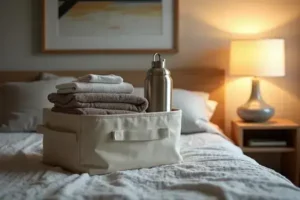
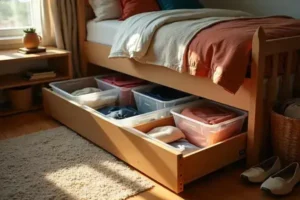
- Storage bins: Under-bed and stackable bins turn chaos into calm and help use every inch of space.
- Weather-appropriate clothing: Pack layers, and remember, you probably won’t wear half your entire wardrobe.
💡 Pro Tip: According to the National Association of College and University Residence Halls, students who coordinate shared items (like mini-fridges and microwaves) with roommates save an average of $60 and avoid duplicate clutter.
| Pack It | Why You Need It | Skip It |
|---|---|---|
| Desk Lamp | Dorm lighting is notoriously dim; your eyes will thank you during late-night study marathons. | Large Appliances |
| Extension Cords (if allowed) | For those weirdly distant wall outlets — just check campus policies first. | Fancy Dinnerware |
| Basic Cleaning Supplies | You’ll want to wipe down shared surfaces — a small set gets you through most messes. | Seasonal Decorations |
In practice: picture this scenario — you roll up on move-in day, car packed to the ceiling, only to realize you’ve brought a popcorn maker (never used), three coats (when it’s 80°F for weeks), and no shower shoes. Happens every year.
What actually works might surprise you — the best formula is less about “bring it all” and more about thoughtful curation. Next, we’ll navigate how to settle into dorm life without losing your mind…
Navigating Dorm Life Without Losing Your Mind
Moving into a dorm is a strange mix of freedom and unpredictability. Even if you’re excited, there’s a part of you that wonders—how will I handle sharing a small space with strangers, strange noises, and a totally new rhythm? Here’s the thing: surviving dorm life isn’t about tolerating chaos. It’s about building small routines that turn the unfamiliar into your own kind of normal.
- Establish ground rules early. Don’t wait for the first problem. Have a real, face-to-face talk about noise, guests, and cleaning habits.
- Guard your downtime. It’s okay to say no to social marathons—everyone needs recharge time.
- Invest in noise-canceling tools. Door sweeps, white noise machines, or even a good pair of earplugs can turn paper-thin walls into your sanctuary.
- Label your stuff (subtly). Shared kitchens and bathrooms get messy quick. Discreet labels prevent a world of “that’s mine!” drama.
- Seek out quiet common areas. Don’t confine yourself to your room—study lounges or campus libraries are sanity savers during late-night study binges.
💡 Pro Tip: According to the American College Health Association, students who connect with their Resident Assistant within the first week report 30% fewer issues with roommate conflicts over the semester.
Picture this scenario: It’s 1:00 a.m. and you’re trying to finish an essay with your neighbor’s music pounding through the wall. You’re mad, but you also know you have to live together for months. Sometimes breathing, texting a quick “keep it down,” or moving to a study lounge is all it takes to keep the peace—and your sanity.
- Noise control tools: White noise machine, earplugs, music playlist for focus
- Personal care: Slippers, laundry hamper, private shower caddy
- Community resources: Resident Assistant, counseling services, academic advisors
The National Residence Hall Honorary recommends participating in at least one floor event every month—it’s proven to ease social anxiety for new residents. And this is exactly where most people make the most common mistake…
Roommate Survival: Making Introductions Less Awkward
No matter how outgoing you are, that first roommate intro can feel about as natural as choreographing a handshake with a total stranger—awkward pauses, forced smiles, both of you secretly wondering what the rules are. It shouldn’t be torture. Here’s the thing: making introductions work isn’t about becoming best friends in five minutes. It’s about setting a relaxed, real foundation you can both build from.
- Break the ice with a neutral question. Ask about summer plans, playlist favorites, or what they’re most worried about with college. Skip the job interview vibes.
- Share a bit about your routines early. Be upfront if you like to get up at 6 a.m., or if you’re a night owl. These details will save headaches later.
- Talk “stuff”—who’s bringing what? Coordinating mini-fridges, coffee makers, or cleaning schedules stops tiny issues from turning into silent resentments.
- Set some day-one boundaries together. Decide how you’ll handle guests, noise, and chores before the first awkward situation erupts.
- Plan a low-key shared activity. It could be grabbing coffee, streaming a show, or exploring campus together. No pressure—just shared ground.
💡 Pro Tip: According to the National Association of Student Personnel Administrators, roommates who communicate about small habits upfront are 40% less likely to report serious conflicts by mid-semester.
| Tip | Why It Matters | Example |
|---|---|---|
| Ask Easy Questions | Removes pressure and opens conversation | “What’s a song you can’t stand right now?” |
| Be Honest About Sleep Habits | Prevents early misunderstandings | “Lights out at midnight? Or later?” |
| Suggest a Shared Routine | Creates common ground, breaks the ice | “How about a Sunday snack run?” |
Picture this scenario: You walk in, your new roommate’s already unpacked, earbuds in. Do you wait for a signal, or dive in anyway? Here’s what works: take a breath, start with something small, and let awkwardness be part of the process. It fades faster than you expect.
What actually works might surprise you…
Personalizing Your Space On A Student Budget
Ever walk into someone else’s dorm and immediately feel the difference? Some spaces just give off that unmistakable “this is mine” energy. Here’s the thing: You don’t need a deep wallet or a design degree to make your space feel authentic—just a few smart tricks and a little creativity.
- Removable wall decor: Use washi tape, peel-and-stick decals, or lightweight frames. They add color, personality, and zero damage to those paint-chipped white dorm walls.
- Soft lighting on the cheap: String lights, clip-on lamps, or smart LED strips change the mood without burning through your student loan. Bonus points if you get ones with adjustable color.
- Storage as style: Woven baskets, patterned crates, and collapsible bins double as decor and help tame clutter when space is tight.
- Layered textiles: Cozy throws, area rugs, and mix-and-match pillow covers bring warmth and instantly cover up standard-issue flooring and furniture.
- DIY touches: Get hands-on—paint a single canvas, hang personal photos with clothespins, or upcycle thrift finds. Individual pieces give your room a story.
💡 Pro Tip: According to the National Retail Federation, students who set a strict budget for dorm décor and shop secondhand or online marketplaces save an average of $120 their first year without sacrificing style.
| Item | Budget-Friendly Alternative | Style Impact |
|---|---|---|
| Wall Art | DIY prints, thrift store frames | Personal photos, unique textures |
| Lighting | String lights, LED strips | Creates warmth, adjusts ambiance |
| Storage | Patterned bins, vintage baskets | Declutters and adds color |
In practice: your roommate scores a designer duvet, but you invest in removable wall art and layered throws. Result? Your side is the one where people want to chill after class—proving style is less about price tags and more about vision.
And this is exactly where most people make the most common mistake…
Quick Fixes For Common Move-In Day Surprises
No matter how well you prep, move-in day always throws a curveball—or three. The truth is, it’s less about avoiding every surprise and more about knowing how to react when something goes sideways. From missing keys to mystery stains, quick action can change panic into “handled.”
- Snap photos on arrival. Before unpacking, grab pics of any room damage or wear. This protects your housing deposit and gives proof if you ever need it down the line.
- When keys vanish: Head straight to your Resident Assistant or the campus housing office. Most have backup keys or quick re-key policies (confirmed by the National Multifamily Housing Council).
- Can’t reach the Wi-Fi? Check your campus welcome packet for setup info or call IT support—many colleges use secure login portals, and a reset often solves Day 1 headaches.
- Found a funky stain? A small cleaning kit—multi-surface spray, wipes, stain stick—handles most dorm mishaps fast and doesn’t take much space in your bins.
- Missing furniture or broken items? Document with photos and report ASAP. Most campuses have a move-in hotline for fixes; delays on reporting can leave you stuck all semester.
⚠️ Important Warning: Store valuables (laptop, chargers, documents) in one labeled bag and keep it with you. According to the International Association of Campus Law Enforcement Administrators, first-year move-in sees the most misplaced electronics—not due to theft, but from getting lost in the shuffle.
Move-In Mishap Cheat Sheet
| Surprise | Fast Fix | Who to Ask |
|---|---|---|
| Lost Keys | Check with RA/housing office for backup | Resident Assistant, Housing Office |
| No Internet | Use campus help line or IT desk | IT Support |
| Dirty Room | Wipes, general cleaner from kit | Housekeeping, Maintenance |
| Broken Furniture | Report and get service request ID | Facilities |
In practice: you arrive, ready to unpack, only to realize the bed’s missing a slat and you can’t log into Wi-Fi. Instead of spiraling, you take photos, grab your “essentials” bag, and track down help. You’re back on track in under an hour—promise.
The right habits in place now make everything easier from here.
You’ve Got College Move-In Mastered
If you take just one thing from this college move in day tips guide, let it be: being prepared is always better than being perfect. Pack smart, make introductions real, and have a game plan for those little surprises — that’s how you settle in fast and feel at home right away.
Before, move-in day felt overwhelming: what to bring, how to live with strangers, what to do when things went wrong. Now? You’ve got calm, confidence, and the tools to handle just about anything campus throws your way. It won’t all go flawlessly, but you’ll bounce back — and you’ll enjoy your new freedom so much more.
Which tip or trick are you most excited to try on move-in day? Share your plan (or your biggest worry) in the comments below — everyone could use a little extra wisdom on this big day!

Alex Jordan Bennett is a student success enthusiast and academic planning writer dedicated to helping college students stay organized, manage their time, and build the habits they need to thrive. With a passion for practical study systems, campus life guides, and career preparation tools, Alex built this blog to give every student the practical resources they need to succeed from freshman year through graduation and beyond.