Picture this: it’s move-in day and the line for the campus elevators snakes down the hall. You’ve got bags. Boxes. And that nagging fear that you forgot half your essentials back home. Sound a little too familiar?
The reality? When you don’t have a solid college packing plan, things get stressful—fast. Tiny dorm rooms mean every item needs to earn its spot. One forgotten charger or missing shower caddy can throw off your whole first week, leaving you scrambling and frustrated right when you want to feel at home.
By the end of this guide, you’ll have a no-nonsense college packing list dorm room printable to take the guesswork out of move-in. Get ready to roll up with exactly what you need—nothing more, nothing less. Ready to make settling in a breeze?
What to Pack: Must-Have Essentials for Every Dorm Room
You know that sinking feeling when you open your dorm room door for the first time—blank walls, empty shelves, and the echo of everything you might’ve forgotten at home? It’s normal to wonder what makes the essential list versus what ends up just eating space.
The truth is, packing for college means balancing necessity and comfort—no easy trick when every square inch matters, and campus stores charge a premium for forgotten must-haves. Columbia University’s Housing Services recommends assembling your essentials at least two weeks ahead to avoid last-minute stress and costly mistakes.
💡 Pro Tip: Always coordinate with your future roommate or suitemates before moving in. Duplicating large items like mini fridges or rugs is a classic freshman blunder—and totally avoidable.
The Everyday Essentials Checklist
- Bedding: Twin XL sheets, comforter, 2 pillows, mattress protector
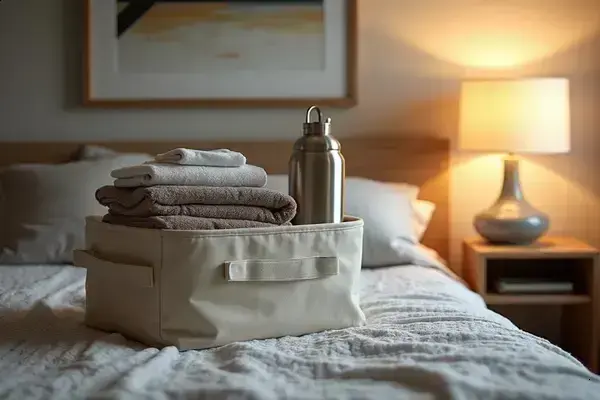
- Bath: Shower caddy, towels (2-3), shower shoes, toiletries set
- Storage: Collapsible bins, over-the-door hooks, under-bed containers
- Laundry: Hamper, detergent (pods work best), stain remover stick
- Power & Tech: Surge protector, phone charger, USB extension, desk lamp
- Kitchen Basics: Microwave-safe mug, bowl, set of utensils, reusable water bottle, snack stash
- Cleaning: Disinfectant wipes, all-purpose spray, small broom or handheld vacuum
Quick Comparison: Brand-Name vs Store-Brand Dorm Essentials
| Item Category | Brand-Name Pros | Store-Brand Pros |
|---|---|---|
| Bedding | Softer fabrics, longer warranty | Lower cost, easy to replace |
| Storage Bins | Stronger, stackable, better design | Lighter, cheap bulk packs |
| Cleaning Sprays | Verified antibacterial, pleasant scent | Budget-friendly, widely available |
Picture this scenario: Jamie, a first-year student, packed only one towel and skipped the surge protector. By week two, laundry piles grew and their laptop charger sparked out—resulting in extra trips, extra costs, and a headache that could’ve been easily avoided with a checklist like this one.
But there’s one detail most students completely overlook until it’s too late…
How to Personalize Your Dorm Space Without Overpacking
So, how do you actually bring some personality to your dorm without ending up with a crowded, cluttered mess? The trick is striking that perfect balance—enough comfort and style to feel like home without overstuffing your corners with non-essentials.
Colleges like the University of Michigan’s Housing Office suggest focusing on a handful of signature pieces and versatile storage solutions. It’s not about how much you bring, it’s about what you choose and how you use it—think functional design over decorative overload.
- Pick a Color Theme: Stick to 2-3 colors across bedding, accent pillows, and small décor. This makes everything feel cohesive (and actually bigger).
- Vertical Space Wins: Hang lightweight tapestries, clip-on lamps, or peel-and-stick cork boards. These add instant character with zero footprint.
- Multi-Use Essentials: Select items that do double duty—an ottoman for seating and storage, or a bed caddy that holds both your phone and midnight snacks.
- Memory Lane: Limited wall space? Use a string of fairy lights and mini clothespins to display photos. Change them out every semester to keep things fresh without new clutter.
- Edit Ruthlessly: Before move-in, lay out everything you want to bring and then remove a third of it. If it’s not practical or doesn’t offer you comfort, skip it.
💡 Pro Tip: Your dorm contract may restrict décor like nails or adhesives—always double-check campus housing guidelines before you commit to hanging anything. According to the National Association of College and University Residence Halls, damage to walls is among the most common reasons students lose their security deposit.
Picture this scenario: Emily tried to pack every comfort from home—framed photos, plush rugs, stacks of favorite books, potted plants. The result? A room so packed she couldn’t even unpack her clothes comfortably. After downsizing and sticking to flexible storage and vertical accents, she finally could breathe—and found her style stood out more with less.
What actually works might surprise you…
Smart Storage Hacks for Tiny Dorm Rooms
Ever walked into a dorm room and wondered how anyone manages to fit a life’s worth of stuff into a space the size of a walk-in closet? It’s a common challenge—no one wants to live out of suitcases or feel hemmed in by mountains of clutter.
The key? Out-smart the space. According to the National Association of Professional Organizers, students who use vertical and modular storage can gain up to 30% more usable area in their dorms—meaning less stress and more actual living space.
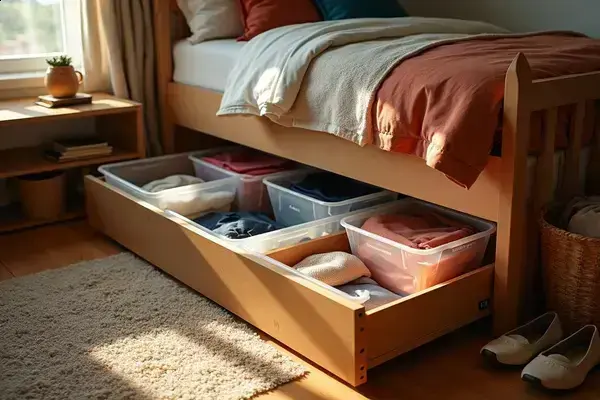
- Raise the Bed: Most dorm beds can lift up. Slide rolling bins, crates, or shoe organizers underneath to make use of every inch.
- Go Vertical: Hang stackable shelves, behind-the-door pockets, and removable wall hooks for hats, bags, and accessories.
- Double Duty Furniture: Use storage ottomans for extra seating and hidden stash spots—excellent for shoes, snacks, or bulky winter wear.
- Drawer Dividers Work Wonders: Section your desk and dresser drawers with simple dividers or even recycled boxes to keep tech, cosmetics, and utensils separated and tidy.
- Minimize the Mess: Keep a folding laundry hamper in a closet or behind the door. It’s out of sight, but instantly easy to grab on laundry day.
💡 Pro Tip: Campus fire safety rules often limit electrical devices and overstacking, so always check with your university’s Residential Life Office before investing in new storage gear. Safety—and your deposit—depends on following those rules.
Picture this scenario: Tyler, stuck in a single dorm, worried he’d have to leave half his wardrobe at home. Instead, he raised his bed, added two underbed drawers, and swapped a traditional chair for a flip-top storage bench. Suddenly, everything fit—with room to spare.
Quick Guide: Storage Solutions at a Glance
| Storage Hack | Pros | Cons |
|---|---|---|
| Underbed Bins | Easy to access, maximizes hidden space | Limited by bed height |
| Over-door Racks | Tiny footprint, great for shoes/laundry | May not fit all door types |
| Stackable Cubes | Flexible, customizable layout | Cost varies by material |
And this is exactly where most people make the most common mistake…
Downloadable and Printable Packing List for Quick Reference
Ever tried to get out the door on move-in day—only to realize you forgot half your essentials on the kitchen table? That’s where a printable packing list shines. Instead of frantic guesswork, you have a ready-made, comprehensive guide you can tick off in real time.
A printable packing list acts as your master organizer, not just a scribbled sticky note. According to the National Association of College Stores, students who use written checklists report up to 40% less stress (and fewer forgotten items) than those who don’t. The right list separates ‘wish’ from ‘need’—think bedding, storage, study supplies—and ensures nothing crucial gets left behind.
How to Use Your Packing List Efficiently
- Print Enough Copies: Keep one on your fridge, one in your suitcase, and a digital backup on your phone.
- Edit for Your Needs: Cross out items you won’t use and add your unique must-haves (like medical supplies or athletic gear).
- Check Off as You Pack: Physically marking off items prevents double packing and missing pieces outside your luggage.
- Update Up to Move-Out: As you live on campus, add or subtract from the list so it’s even easier for next year—or to share with friends.
- Store in a Safe Spot: Place the list in your top dresser drawer or a stationery folder so you can find it fast during breaks and emergencies.
💡 Pro Tip: Choose a packing checklist that’s segmented by categories—sleep, study, storage, laundry, bath, tech, kitchen—so nothing slips by. According to Consumer Reports, ‘category lists’ cut move-in chaos almost in half by keeping packing systematic.
- Bedding: Sheets (2 sets), pillow, comforter
- Bath: Towels, caddy, shower shoes, toiletries
- Laundry/Cleaning: Hamper, detergent pods, mini vacuum
- Study Supplies: Laptop, notebooks, power strip
- Storage: Bins, hangers, hooks
- Other: First aid kit, snacks, reusable water bottle
Picture this scenario: Jordan used a template from their university’s student life office—taped it up by the door, updated it every shopping trip. Not a single major thing got left behind, and packing for each holiday became a breeze.
But there’s one detail most first-years skip completely until it costs them precious sleep…
Last-Minute Tips for a Stress-Free Move-In Day
Move-in day feels like a race against the clock and your own nerves. What separates a meltdown from a smooth start? It’s not how much you pack—it’s how you prep in the final hours.
The truth is, even with the best checklist and a trunk full of storage bins, that last sprint always throws new curveballs. The American College Health Association notes that students who plan for last-minute hiccups—think: lost paperwork, parking chaos, missing screws—transition more smoothly and have fewer first-week regrets.
- Prep an “Open First” Bag: Fill it with absolute essentials (ID, medications, phone charger, water bottle, basic snacks, cash, move-in paperwork).
- Label Everything Clearly: Use bold tags, color-coded stickers, or masking tape to mark every bag or bin. You won’t want to dig through every box looking for sheets after an exhausting day.
- Double-Check Move-In Details: Print or screenshot your assigned move-in time, parking pass, and room number. Campus Wi-Fi may be spotty, so don’t rely only on your phone.
⚠️ Important Warning: Many universities, as highlighted by the National Association of College and University Residence Halls, have strict and changing move-in protocols—especially regarding personal guests and elevator use. Review official housing guidelines before you head out to avoid frustration at check-in.
Picture this scenario:
Alex thought arriving early would guarantee a seamless move—until the main road was closed for construction. Luckily, they had printed their email instructions, kept their essentials in one backpack, and wrote room info in permanent marker on every box. Instead of panic, the whole family got set up in under two hours.
| Last-Minute Task | Benefit |
|---|---|
| Pack a toolkit | Faster furniture setup, fixes loose screws |
| Hydrate + snack early | Avoids crash mid-unloading |
| Thank your helpers | Keeps morale high, ensures teamwork |
The right habits in place now make everything easier from here.
Your Dorm, Ready and Waiting
You’ve learned exactly what to pack, how to make your dorm feel like home, ways to maximize your small space, and why a college packing list dorm room printable really matters. If you take just one thing from this guide, let it be: preparation (not perfection) is what makes move-in—and your first year—stress-free.
Maybe moving in once felt overwhelming, like you’d forget something crucial or end up with boxes of stuff you never use. Now? You’re packing with a plan, personalizing with intention, and using clever storage to turn chaos into calm. It all just feels doable, doesn’t it?
What’s your must-have dorm item you never want to live without on campus? Share your favorite in the comments below—we’d love to hear your essentials!

Alex Jordan Bennett is a student success enthusiast and academic planning writer dedicated to helping college students stay organized, manage their time, and build the habits they need to thrive. With a passion for practical study systems, campus life guides, and career preparation tools, Alex built this blog to give every student the practical resources they need to succeed from freshman year through graduation and beyond.