Ever find yourself staring at a mountain of notes, questioning if your brain can possibly fit another fact before finals week is over? If you’ve had that sinking feeling—the one where it seems like everyone else is studying smarter, sleeping better, and somehow staying calm—you’re definitely not alone. It’s exhausting, confusing, and honestly? Sometimes it feels like surviving exam season is more about avoiding a meltdown than anything else.
Here’s the thing: leaving finals week to chance rarely ends well. Stress builds, motivation drops, and your sleep schedule ends up all over the place. You might notice even your best plans fall apart when pressure kicks in. It’s more than grades; it’s about your well-being and actually making it to the other side in one piece.
By the end of this guide, you’ll have a real-world finals week survival guide students can use—not just generic advice, but play-by-play tactics that actually work in the chaos of exam season. Ready to make sure this is the last time finals week controls you? Let’s get started with what really makes it so overwhelming.
Understanding Stress: Why Finals Week Feels Overwhelming
Finals week rolls in and suddenly every deadline feels urgent, your brain is buzzing, and even deciding what to eat feels like too much. Ever wonder why these few days hit so much harder than regular semester stress? The answer lies in how your body reacts—it’s not just in your head; it’s your nervous system running on overdrive.
When you’re faced with back-to-back exams and high expectations, your body releases cortisol, the classic ‘stress hormone.’ According to the American Psychological Association, cortisol imbalances can make it harder to focus, remember material, and even sleep well. It’s a perfect storm: pressure to perform, sleep deprivation, and constant comparison to others around you.
💡 Pro Tip: Recognizing stress is halfway to managing it. If you notice trouble concentrating or muscle tension, hit pause for five slow, deep breaths. The Mayo Clinic confirms even 60 seconds of paced breathing can lower stress markers and help restore memory recall.
Picture this scenario: you walk into the library late at night, heart pounding because you feel behind already. Around you, some students look calm—others, not so much. Everyone’s experience is different, but chronic finals week stress is a real phenomenon. It hits hardest when you feel unprepared or expect perfection from yourself at every turn.
| Symptom | Common Cause | How It Affects Performance |
|---|---|---|
| Difficulty Sleeping | Racing thoughts, late study | Reduces recall and sharpness |
| Short Temper | Social or self-induced pressure | Makes group projects harder |
| Procrastination | Fear of failure, overwhelm | Last-minute cramming, poor retention |
Here’s the thing: stress during exams isn’t a sign you aren’t capable. It’s the body’s built-in response to high-stakes situations. Understanding this sets you up to take smarter actions—ones that actually protect your focus and well-being.
But there’s one detail most students completely overlook until it’s too late: the way you plan your study schedule can either trigger—or tame—those stress signals in the first place…
Planning Your Study Schedule for Maximum Impact
How can you turn that frantic finals week feeling into a sense of control? A solid study schedule is your single most powerful tool—one that almost no one uses to its true potential. Instead of winging it, you can build a plan that not only organizes your work, but actually boosts your results.
- Gather Your Materials: Collect all syllabi, deadlines, and old quizzes. The clearer your info, the smarter your plan. This should take 15–30 minutes for most students.
- List Every Exam and Major Assignment: Write down the dates, topics, and format for each. Don’t trust your memory—just seeing everything in one spot will help lower your stress.
- Estimate Prep Time Needed Per Subject: Use past experience or talk to classmates. A 3-credit science exam may demand 6 hours, while an English paper could need several short sessions. The National Tutoring Association suggests budgeting at least 1.5–2 hours of focused review per major exam, spaced out over several days.
- Block Out Realistic Time Slots: Look at your calendar. Build in dedicated study blocks, but also breaks, meals, and sleep. Don’t just stack study hours—fatigue ruins retention.
- Plan for Flexibility and Review: Life happens. Pad your schedule with catch-up time at the end of each day and longer review windows before your hardest exams.
- Printed or digital calendar/planner
- Colored sticky tabs or highlighters
- Phone for setting reminders (no social media!)
- Physical copy of all exam dates
💡 Pro Tip: Physically crossing off a finished study block (on paper) triggers a motivational dopamine release—more satisfying than any app notification. According to Journal of Behavioral Neuroscience, tangible progress signals help keep procrastination in check.
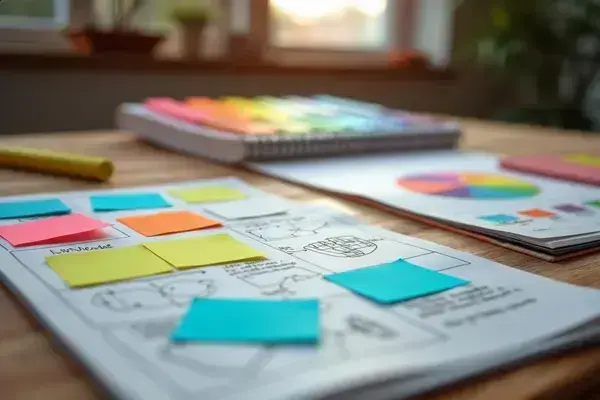
In practice: picture this scenario—you set up a weekly plan with bright sticky notes for each subject on your wall. By Wednesday, you fall behind on chemistry. Instead of panicking, you notice an empty review slot on Thursday. You use it to catch up. Zero disaster. Actual progress.
| Day | Subject Focus | Goal |
|---|---|---|
| Monday | Biology (2 hrs) Math Review (1 hr) |
Finish all practice quizzes |
| Tuesday | Chemistry (1.5 hrs) | Memorize formulas |
| Wednesday | English Essay (2 hrs) | Draft outline |
| Thursday | Math (1.5 hrs) Catch-Up Slot |
Revisit tough topics |
| Friday | Biology (1 hr) Active Recall |
Review main points |
And this is exactly where most people make the most common mistake—skipping those review blocks or over-packing their days. So, how do you actually stay consistent and beat procrastination?
Practical Strategies to Beat Procrastination
Why do even smart students fall into the procrastination trap during finals? It’s not always about laziness. Most of the time, it’s your brain dodging discomfort and chasing instant rewards—scrolling social media beats grinding through dense chapters, at least in the moment.
- Break Tasks Down Ruthlessly: Large goals are intimidating. Cut ‘study chemistry’ into “review chapter 3 notes,” then “solve five practice problems.” This way, you build momentum, not dread.
- Use the Pomodoro Technique: Set a timer for 25 minutes, work nonstop, then take a 5-minute break. Repeat. Research from the University of California, Irvine, shows this boosts concentration and keeps burnout away.
- Commit Publicly (Just a Little): Tell a roommate or group chat your plan for the next hour. That tiny splash of accountability turns vague intentions into real tasks.
- Set Up Study Triggers: Always start your sessions in the same spot with the same mug, lamp, or playlist. Consistency turns off “should I start now?” debates.
- Reward Yourself After, Not Before: Hold back the dopamine-triggering snacks or screen time until you’ve ticked off a real win.
- Index cards or sticky notes
- Analog timer or phone timer (airplane mode!)
- Whiteboard/marker for tracking progress
💡 Pro Tip: The first two minutes are always the hardest. Promise yourself you’ll just set up your space and read one paragraph. Once you start, momentum almost always follows. American College Health Association agrees—action almost always precedes motivation.
In practice: it’s Monday night, and you keep bouncing between TikTok, the fridge, and an open notebook that isn’t getting used. You finally decide to time five minutes and do just the intro to your paper. Next thing you know, you’re halfway done. All that inertia? Gone.
What actually works might surprise you: most students try to “find motivation first”—but it’s taking action that flips the mental switch. Ready to fuel your mind and body for real productivity?
Fueling Your Body and Brain: Nutrition and Sleep Tips
Ever hit a study wall where no amount of reviewing sticks—your mind’s off, your body’s wired, and coffee just isn’t helping? That’s not a lack of willpower. It’s what happens when nutrition and sleep get sidelined. The truth is: mental performance in finals week depends just as much on what you eat and how you rest as on how hard you study.
- Smart Meals, Steady Energy: Prioritize complex carbs (like oats and brown rice), lean protein (chicken, tofu), and plenty of colorful veggies. These foods fuel your brain gradually, avoiding the spike-and-crash of energy drinks or candy.
- Snack for Focus: Nuts, yogurt, and blueberries boost memory and concentration, according to Harvard Medical School. Skip anything ultra-processed or dripping with sugar before big study sessions.
- Don’t Ditch Hydration: Fatigue and headaches often come from drinking too little water—aim for about half your body weight in ounces daily.
- Guard Your Sleep: Shoot for 7–9 hours, and protect the hour before bed: low lights, no screens, a book or gentle music. Johns Hopkins Medicine notes even one poor night zaps cognitive flexibility—the skill you need for multi-subject problem-solving.
| Meal/Snack | Why It Works | When to Eat |
|---|---|---|
| Oatmeal + berries | Lasts all morning, steady glucose | Breakfast |
| Greek yogurt + walnuts | Boosts memory with healthy fats | Mid-morning/afternoon |
| Roast chicken wrap + greens | Protein for alertness, fiber for fullness | Lunch |
| Brown rice and veggies | Complex carbs for brain power | Dinner |
⚠️ Important Warning: Extreme caffeine or skipping meals backfires—anxiety jumps and focus tanks. If you have dietary concerns, consult a registered dietitian or your campus health center before finals week begins.
In practice: picture this scenario—Tuesday night and you’re falling asleep over your book. Instead of another soda, you grab a handful of almonds and drink some water. Then, you set a bedtime and stick to it, waking up clearer than you expected. That small change pays off, not just in grades but in actual mental clarity.
But there’s one detail most students completely overlook until the last minute—your nutrition and sleep approach is only as good as your response when stress triggers that fight-or-flight rush before a test…
Proven Ways to Stay Calm and Focused When Test Anxiety Hits
Ever feel your heart pounding and your mind blanking the second you flip over an exam? Test anxiety is real—according to the Anxiety and Depression Association of America, it can affect recall, problem-solving, and confidence, even when you’ve prepared. The truth is: a few targeted strategies can help you reclaim your calm and stay sharp under pressure.
- Grounding Techniques: Try the 4-7-8 breathing method—inhale for 4 counts, hold for 7, exhale for 8. This relaxes your nervous system and helps your focus snap back.
- Visualization: Before entering the exam room, picture yourself calmly tackling the first question. This mental rehearsal, proven by studies at Stanford University, primes your brain for performance.
- Reframe Negative Self-Talk: Swap “I’m going to fail” with “I know what I’ve practiced.” Positive affirmations shift your mental state and make tough moments feel a little more manageable.
- Strategic Test-Taking: Start with easy questions to build momentum, then tackle harder ones. This approach, according to the College Board, prevents panic and keeps you moving forward.
💡 Pro Tip: Bring tactile comforts—a small stone or a piece of textured fabric in your pocket. When nerves spike, just touch it for a second of grounding. Clinical psychologist Dr. Regine Galanti notes how such anchors can disrupt anxiety loops in real time.
| Technique | When to Use | Quick Result |
|---|---|---|
| 4-7-8 Breathing | Before and during test | Lowers pulse, steadies nerves |
| Visualization | Night before/morning of | Boosts confidence |
| Positive Self-Talk | During tricky questions | Reduces negative spiral |
In practice: picture this scenario—your hands start to sweat and your brain races two minutes into the exam. You pause, touch that smooth pebble in your pocket, slow your breath, and read one question at a time. Suddenly, the storm quiets. Your training works.
The right habits in place now make everything easier from here.
You Can Beat Finals Week
If you take just one thing from this finals week survival guide students, let it be: a calm mindset—and a real plan—makes all the difference. Build a solid study schedule. Fuel your body and brain. Use practical anxiety tools before stress takes control. That’s how you cross the finish line, not just get by.
Before, it probably felt like finals week was a wild storm nobody could manage. Now, you know struggling isn’t a weakness; it’s a sign to adjust. Every focused session, real meal, and deep breath adds up. You’ve turned chaos into strategy. That’s growth.
What’s your number one finals week pain point—and which tip feels like your best shot at tackling it this time? Share your story in the comments below. You might just help someone else breathe easier, too.

Alex Jordan Bennett is a student success enthusiast and academic planning writer dedicated to helping college students stay organized, manage their time, and build the habits they need to thrive. With a passion for practical study systems, campus life guides, and career preparation tools, Alex built this blog to give every student the practical resources they need to succeed from freshman year through graduation and beyond.