
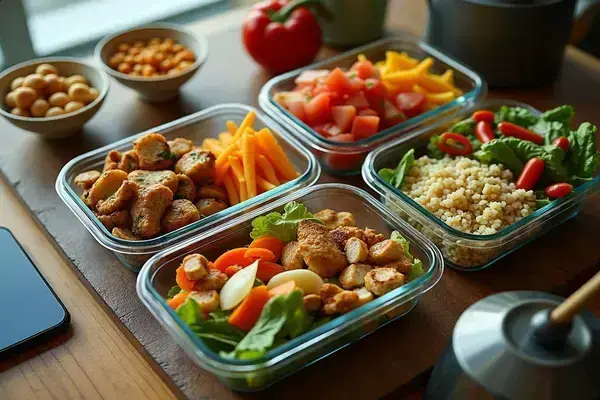
Imagine this: it's Sunday night, you're staring at a bare fridge, and the thought of eating instant noodles—again—makes you sigh. Food stress in college is real, especially when money (or time) is tight.
It's not just about boring meals or a rumbling stomach. Miss enough real meals and you'll feel it everywhere—low energy, focus slipping, maybe even that creeping sense of burnout. Nobody tells you how quickly skipping proper meals adds up, but suddenly you notice.
By diving into these meal prep ideas for college students, you'll quickly see how easy (and even fun) it can be to eat better without breaking the bank. Ready to reclaim both your time and your taste buds? Let's get right into the real strategies that work.
Why Meal Prep Makes College Life Easier
For most college students, the daily rhythm is pure chaos — you dash from class to study group, ping between assignments, and suddenly it’s 8 PM with no real plan for dinner. That’s when fast food or instant ramen starts looking awfully tempting, but your body (and brainpower) pays a price.
Here’s the thing: meal prepping isn’t just about having food ready. It’s about making your week easier, your budget stretch further, and your diet healthier without extra effort. When you prepare meals in advance, you stop scrambling for last-minute options, lower stress, and avoid the time sink of cooking from scratch every single night.
💡 Pro Tip: According to the Academy of Nutrition and Dietetics, students who consistently meal prep save an average of $30–$50 per week and eat nearly 25% more fruits and vegetables compared to those who don’t plan ahead.
Picture this scenario: it’s Monday evening. You’re wiped after a full day. Instead of piecing together a random snack dinner, you open your fridge and — voilà — yesterday’s homemade stir fry and veggie-packed pasta salad are waiting in glass containers. Suddenly, you can focus on finishing that reading (or just relaxing), because dinner’s done.
- Saves Money: Bulk buying and avoiding daily takeout keeps more cash in your wallet.
- Less Stress: Dinnertime no longer means decision fatigue; you know exactly what’s on the menu.
- Healthier Choices: When balanced meals are prepped in advance, you’re less likely to grab chips or a sugar bomb for dinner.
Don’t underestimate the mental freedom you unlock with just a bit of planning. Students who meal prep also report fewer skipped meals and an easier time managing nutrition around exam season, per a recent National College Health Assessment report. And honestly? Once you’ve experienced a week of zero last-minute food runs, it’s tough to go back.
But there’s one detail most time-strapped students completely overlook until it’s too late…
Essential Tools And Ingredients For Simple Meal Prep
What’s the real secret to stress-free meal prep as a student? Forget fancy gadgets—what you truly need are just a few essential tools and smart ingredients that work double duty. It’s not about stuffing your dorm with kitchen clutter. The right basics save time, money, and (yes) a whole lot of headaches mid-week.
- Reusable Glass Containers: Leakproof, microwave-safe, and better for leftovers than plastic.
- Mini Rice Cooker or Instant Pot: Compact but powerful. Cooks grains, stews, and even oatmeal on autopilot.
- Chef’s Knife and Small Cutting Board: Even with tiny counters, safe chopping is a must.
- Measuring Cups & Spoons: Accuracy means less wasted food and consistent results.
- BPA-Free Freezer Bags: Portion, freeze, repeat. Perfect for batch prepping proteins or veggies.
💡 Pro Tip: According to the Food Safety and Inspection Service (USDA), glass and silicone containers both protect food from cross-contamination and extend shelf life—crucial for prepping meals in advance, especially without full kitchen access.
Staple Ingredients for College Meal Prep
| Category | Essentials | Why It Matters |
|---|---|---|
| Grains | Brown rice, whole wheat pasta, oats | Inexpensive, filling foundation for bowls, stir-fries, salads |
| Proteins | Canned beans, eggs, rotisserie chicken, tofu | No-cook or ready-cooked for fast assembly |
| Veggies | Frozen mixed vegetables, spinach, bell pepper | Frozen lasts longer; fresh for quick snacks |
| Healthy Fats | Olive oil, nut butter, seeds | Add flavor and keep you satisfied |
Picture this scenario: You’ve got just thirty minutes between classes and practice. Grabbing your prepped container of brown rice, roasted chickpeas, and steamed veggies from the fridge, you’re fed and heading out in minutes. No drama. No decision fatigue—just real food, fast.
Investing in the right basics upfront means meal prep doesn’t become a once-and-done regret. And, honestly? Most nutritionists at the Academy of Nutrition and Dietetics agree: a short list of core pantry ingredients beats a complicated shopping list any day.
But what actually works might surprise you…
How To Batch Cook Affordable And Healthy Meals
Ever wondered if it’s really possible to prep a week’s worth of healthy food without dropping half your paycheck at the grocery store — or burning three hours in the kitchen? The answer’s yes, and it comes down to batch cooking with smart, budget-friendly strategies that fit the college lifestyle.
Step-by-Step Batch Cooking Guide
- Plan Your Menu: Start by listing 2–3 meals you’ll happily eat on repeat (think: veggie stir-fry, chili, or burrito bowls). Choose recipes that use overlapping ingredients.
- Make a Master Shopping List: Write down exactly what you need, grouping items by category. Stick to affordable staples like beans, eggs, rice, and frozen veggies.
- Prep Ingredients in Batches: Wash, chop, and portion your produce all at once. Cook your grains and proteins separately—this way, you can mix and match flavors during the week.
- Cook Large Batches: Use a single pot or baking sheet to prepare big portions. For most dorm or apartment kitchens, this takes about 90 minutes, start to finish.
- Store Effectively: Cool everything before portioning into airtight containers. Place some meals in the fridge for easy access, freeze others to extend shelf life.
- Required items: Large pot, baking sheet, freezer-safe containers, measuring cups, basic utensils.
- Time required: ~90 minutes total, including cleanup.
⚠️ Important Warning: The United States Department of Agriculture (USDA) recommends cooling cooked food to room temperature within two hours and refrigerating promptly to avoid foodborne illness—don’t skip this step, even if you’re dead tired!
In practice: Picture this scenario — it’s Sunday afternoon. You’ve got black beans simmering, rice gently cooking, sweet potatoes roasting in the oven, and a week’s worth of fresh veggies chopped and ready. By dinner, meal containers are lined up in the fridge, each one filling, balanced, and only about $2 per serving.
| Batch Cooked Meal | Time (min) | Avg. Cost/Portion |
|---|---|---|
| Vegetarian Chili | 60 | $1.85 |
| Stir-Fry with Rice | 40 | $2.15 |
| Egg Bake Muffins | 35 | $1.25 |
Students who batch cook say they spend less money, waste fewer groceries, and actually eat more homemade meals, according to the National Center for Education Statistics. And this is exactly where most people make the most common mistake…
Quick-Prep Recipes For Busy Weeknights
Tough question: what do you make for dinner when you’re drained, deadlines loom, and takeout is calling your name? You need quick-prep recipes—meals that come together in 20 minutes or less, taste great, and fuel your brain for another late-night study sprint.
In practice: imagine walking into your dorm starving after a club meeting. Fifteen minutes later, you’re plating a warm quinoa bowl loaded with sautéed frozen veggies and a soft-boiled egg. You didn’t even have to look up a recipe—just basic pantry skills and what’s in the fridge.
💡 Pro Tip: Registered dietitians at the American College Health Association recommend building a “base + protein + veggie + sauce” formula. This method keeps cooking stress low and nutrition high when time is tight.
3 Quick-Prep Weeknight Recipes
- Speedy Vegetable Fried Rice: Toss cooked brown rice, frozen mixed veggies, and scrambled eggs in a hot pan with soy sauce. Add sriracha for a kick.
- Mediterranean Pita Pizza: Spread hummus on a whole wheat pita, layer with spinach, canned chickpeas, cherry tomatoes, and a sprinkle of shredded cheese. Toast until bubbly.
- Southwest Bean Wrap: Fill a whole-wheat tortilla with canned black beans, corn, salsa, spinach, and pre-shredded rotisserie chicken. Roll, microwave, and eat.
| Recipe | Time (min) | Key Benefit |
|---|---|---|
| Veggie Fried Rice | 15 | Energy & uses leftovers |
| Pita Pizza | 10 | Portable; customizable flavors |
| Bean Wrap | 5 | Fiber-rich & filling |
Honestly, the beauty of these recipes is their flexibility—you mix, match, and improvise based on what you’ve got on hand. The Centers for Disease Control and Prevention highlights that students who cook at home, even simple meals like these, report higher energy and improved mood. But there’s one trick to keeping meals exciting all week (and not falling into the food-boredom trap)…
Tips To Keep Your Meals Fresh And Exciting All Week
How do you stop your meal prep from turning into a week of sad leftovers? The answer isn’t just fancy containers—it’s about using a few pro tricks to keep food fresh and your taste buds happy long after Sunday’s batch cook.
- Rotate Flavors with Sauces: Prepping basic ingredients (like chicken, rice, veggies) means you can switch up flavors daily with small containers of different sauces—think salsa, peanut sauce, or pesto.
- Smart Layering in Containers: Put heartier foods (grains, proteins) at the bottom and delicate toppings (leafy greens, herbs) on top to keep textures crisp until you eat.
- Freeze Future Portions: Freeze some meals in airtight, BPA-free containers. Move one to the fridge the night before you need it. You’ll cut down on waste and avoid lunchtime déjà vu.
- Mix and Match: Batch cook components—roast a tray of veggies, brown ground turkey, boil eggs—and remix them for wraps, bowls, and salads all week. Never eat the exact same thing twice.
💡 Pro Tip: The Institute of Food Technologists confirms that cooling meals quickly before sealing, then storing below 40°F (4°C), preserves texture and flavor for up to four days. Don’t skip this safety step—food that’s left to cool too long loses both taste and shelf life.
Freshness and Variety Tricks: Side-by-Side Comparison
| Trick | Best For | Biggest Perk |
|---|---|---|
| Sauces & Seasonings | Bowls & stir-fries | Creates variety with zero new cooking |
| Mix & Match Ingredients | Wraps, salads, bowls | Custom meals every night |
| Freezing Portions | Hearty stews, casseroles | Extends shelf life |
Picture this scenario: Midweek rolls around. Instead of picking at cold broccoli, you quickly thaw a chili portion, toss yesterday’s chicken in a lemon-tahini sauce, or turn leftover rice into a new, spicy veggie stir-fry. You’ll never feel stuck with boring food again.
Small steps, repeated consistently, make the biggest difference over time.
Healthy Meals Are Within Reach
Meal prep doesn’t have to be overwhelming, expensive, or boring—even on a college schedule. If you take just one thing from this guide, let it be: with the right tools and a few smart habits, meal prep ideas for college students can make healthy eating both easy and affordable. Remember—consistency, not perfection, does the heavy lifting.
Before, weeknight dinners might have meant stress, takeout, or settling for less nutrition. Now? You’ve got the tools, step-by-step tips, and go-to recipes to keep you fueled for class, studying, and life. A little planning today puts you in control for the whole week. You know what to cook, how to keep it fresh, and how to actually enjoy your meals.
Which meal prep trick from this guide are you most excited to try in your dorm or apartment? Share your plans in the comments below—we’re cheering you on!

Alex Jordan Bennett is a student success enthusiast and academic planning writer dedicated to helping college students stay organized, manage their time, and build the habits they need to thrive. With a passion for practical study systems, campus life guides, and career preparation tools, Alex built this blog to give every student the practical resources they need to succeed from freshman year through graduation and beyond.