Ever had that moment where you spent hours reviewing notes, only to blank the next day or during a test? It feels like your effort has just slipped through your fingers — a mix of frustration, guilt, and self-doubt.
The real issue? Most of us have never learned how to study effectively in a way that actually sticks. We get trapped in busywork instead of doing what matters, burn out on last-minute cramming, or panic when our grades don’t go up. It’s exhausting — and it can make you question your own abilities.
Here’s the thing: by the end of this guide, you’ll know evidence-backed strategies that make studying less overwhelming and more rewarding. You’ll have a clear, actionable plan for using the how to study effectively techniques guide in your real life. Ready? Let’s get to the good stuff.
Understanding What ‘Effective Study’ Really Means
Studying doesn’t always equal learning — and you’ve probably felt that disconnect before. You reread your notes, highlight like a pro, fill out flashcards… but come exam day, your mind goes blank. What’s actually happening here?
Effective study isn’t just about how many hours you put in. It’s about what’s changing in your brain. According to the American Psychological Association, real learning happens when you actively engage with material, retrieve it from memory, and connect it to what you already know. Sounds simple, but most traditional methods — like passive review or endless highlighting — barely move the needle.
💡 Pro Tip: Active recall and spaced repetition beat rereading and cramming every time. Research from the National Institutes of Health shows these strategies lead to longer-lasting retention with less stress.
So what exactly separates “busywork” from results? Picture this scenario: Anna spends two hours copying notes by hand, thinking she’s covering all the bases. Her friend Marcus spends just 45 minutes quizzing himself on key concepts, struggling with the tricky ones, then taking a break. Two days later, Marcus remembers far more — not because he’s smarter, but because his approach is evidence-backed.
What Makes Study ‘Effective’?
- Active Engagement: Techniques like teaching the concept aloud, answering practice questions, or summarizing material in your own words create stronger neural pathways.
- Retrieval Practice: Instead of reviewing, test yourself. It forces your brain to work, making recall on test day easier.
- Spaced Learning: Breaking study into short, repeated sessions over days or weeks builds knowledge that lasts.
- Connecting Ideas: Link new information to things you already understand — it’s easier to find later if you can anchor it to existing memories.
| Method | Effort Level | Retention Rate |
|---|---|---|
| Rereading Notes | Low | Poor (short-term only) |
| Highlighting | Low | Poor (surface-level only) |
| Active Recall | High | Excellent (long-term) |
| Spaced Repetition | Moderate | Excellent (builds over time) |
In practice: If you want results, shift from reviewing to doing. The more your brain works to find, explain, and connect information, the deeper it sticks. What actually works might surprise you…
Top Evidence-Based Techniques That Boost Results
If you’ve ever wondered why some study strategies seem magic while others flop, there’s a simple reason — science doesn’t treat all methods as equals. Some techniques are proven by decades of cognitive psychology research to deliver long-term results, not just fleeting confidence. So, which tools should you put in your study toolbox?
Here Are the Game-Changers
- Active Recall: Instead of reading, ask yourself questions and practice recalling answers from memory. Studies by the American Psychological Association show it’s hands-down the most effective way to build durable knowledge.
- Spaced Repetition: Review information over increasing intervals — for example, using flashcard apps that automatically schedule tough cards sooner. The National Institutes of Health confirm this multiplies retention compared to massed (crammed) study.
- Interleaving: Rotate between different subjects or problem types in a single session. Doing so teaches your brain to adapt and promotes deeper mastery, according to Stanford Learning Lab guidelines.
- Elaboration: Explain new content, out loud or on paper, making connections to what you already know. This deepens understanding and transfer — think of it as building mental bridges.
- Dual Coding: Combine words and visuals (diagrams, mind maps). Research from the Learning Scientists project shows this approach activates more parts of the brain, making recall easier.
💡 Pro Tip: Don’t try every technique at once. Test two at a time for a full learning block, then mix and match based on which deliver the biggest gains for you.
In practice: Picture this scenario — Jamie’s prepping for a tough biology midterm. Last semester, he just reread chapters (and promptly forgot half the details). This time, Jamie builds a set of flashcards with questions on one side, diagrams on the other, and schedules reviews with a spaced repetition app. He interleaves biology, chemistry, and study skills practice. Test week arrives, and — for once — even the tricky concepts aren’t blanking out.
| Technique | Best For | How to Start |
|---|---|---|
| Active Recall | All subjects | Write questions, quiz yourself, teach out loud |
| Spaced Repetition | Languages, facts, definitions | Apps like Anki or Quizlet |
| Interleaving | Math, sciences | Mix problem types in one session |
| Elaboration | Complex topics, essays | Explain why/how to a friend or on paper |
| Dual Coding | Visual learners, tough concepts | Create concept maps, draw diagrams |
And this is exactly where most people make the most common mistake…
How To Build A Personalized Study Plan That Sticks
Ever tried copying someone else’s study routine, only to find it just didn’t fit your pace or schedule? The truth is, there’s no one-size-fits-all approach. Building a personalized study plan that truly works means shaping it around your unique strengths, weaknesses, and daily rhythms — and yes, that takes a little thought up front, but the payoff is massive in the long run.
- Assess Your Goals and Deadlines: Write out everything you need to learn and set real deadlines (not just “before the test”). This creates urgency — not just wishful thinking.
- Map Out Topics and Estimate Time: List all subjects or modules, then estimate how much time each needs. Be honest with yourself about which ones are toughest.
- Choose Study Methods That Fit: For each topic, decide if active recall, spaced repetition, or dual coding serves you best. Adapt your approach for math, languages, or science — no need to use the same technique for everything.
- Design Your Weekly Schedule: Spread sessions across your most alert hours. If you’re a morning person, block off time after breakfast. Prefer evenings? Block the distractions then. Keep sessions short (25–50 minutes) for maximized focus.
- Plan Reviews and Adjustments: Build in weekly check-ins. Ask: what’s working, what’s not, and where are you falling behind? Tweak as you go. Flexibility means your plan never gets stale.
- Required: blank calendar, colored markers or sticky notes, timer (your phone in airplane mode works fine), and your list of topics.
💡 Pro Tip: According to the Learning Scientists project, people who set realistic, measurable milestones (like “review chapters 2–3 by Friday” instead of “study more”) stick with their plans up to 40% longer.
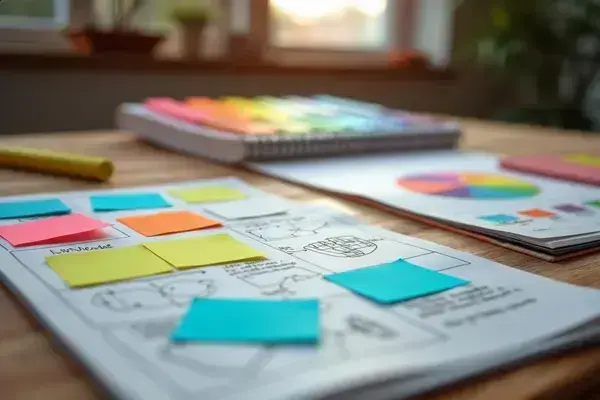
In practice: Imagine Alex, a pre-med student who always felt overwhelmed during finals. She started blocking small, color-coded study sessions for each class on a wall calendar — one chunk for active recall, one for diagrams, another for review practice. Success wasn’t instant, but by week three her anxiety was way down and her scores went up. When you see progress, motivation snowballs.
But there’s one detail most people completely overlook until it’s too late…
Common Mistakes That Sabotage Your Progress
Ever feel like you’re working hard but not getting anywhere? That’s not laziness — often, it’s a handful of sneaky mistakes quietly draining your results. The pain is real: lost confidence, wasted study time, and mounting frustration.
- Passive Review Trap: Reading and highlighting aren’t enough. These mental comfort foods make you *feel* busy but rarely help facts stick for long.
- Marathon Cramming: Pushing through endless sessions leads to burnout and decreased retention, according to the American Psychological Association. Your brain needs breaks, not punishment.
- Ignoring Practice Testing: Skipping retrieval practice means you only recognize answers — you can’t recall them cold when it counts.
- Multitasking: You think you’re efficient, but even short distractions — like glancing at your phone — can cost up to 40% of productive focus, as found in Stanford studies.
- No Plan or Overplanning: Both extremes backfire. With no structure, you spiral. With rigid overplanning, there’s no room for life’s curveballs or personal learning rhythms.
⚠️ Important Warning: Don’t compare your progress with friends or the internet’s “study hacks.” Comparison anxiety kills motivation. Focus on your growth and what’s working for *you*.
Picture this scenario: Sam pulled all-nighters every week, color-coded every note, and watched endless YouTube tutorials. But results? Mixed at best. The breakthrough came when he swapped cramming for 25-minute intervals, prioritized active recall, and started unplugging during each session. Suddenly, memorization felt easier and his grades stopped seesawing.
| Mistake | Why It’s Harmful | How to Fix |
|---|---|---|
| Passive Reading | Low retention, false confidence | Use active recall questions |
| Cramming | Burnout, little long-term memory | Schedule short, spaced blocks |
| Multitasking | Poor focus, missed details | Silence devices, set boundaries |
| No Feedback | Don’t know what you missed | Do practice quizzes, self-checks |
| Overplanning | Hard to adapt, leads to quitting | Review and tweak plan weekly |
And this is exactly where most people make the most common mistake…
Tracking Success And Adjusting Your Methods
How do you actually know if your study plan’s working? It’s easy to just assume things are fine — until a disappointing grade hits you out of nowhere. The reality is, real progress needs visible markers, not just gut feelings.
- Set Measurable Milestones: Break big goals down into weekly checkpoints. “Understand Chapter 3” is vague; “Teach Chapter 3 concepts to a roommate with no notes” is testable.
- Use Self-Quizzing Regularly: Track how many questions you get right on practice tests. Seeing your improvement, or lack thereof, reveals where your methods pay off (or fall short).
- Monitor Time On Task: Notice when focus fades or distractions creep in — jot these down so you can adjust your study windows or environment.
- Reflect Weekly: Ask yourself: Which strategies felt easiest? Where did you struggle? Were any tools — like flashcards or diagrams — more efficient?
- Be Flexible: Swap out or tweak techniques that don’t deliver. Adaptation beats stubbornness every time, a truth underlined by Stanford Learning Lab research.
| Tracking Tool | Purpose | Sample Use |
|---|---|---|
| Progress Journal | Reflect on wins and setbacks | Write three sentences nightly |
| Score Chart | Visualize quiz/test results over time | Plot weekly in your planner |
| Habit Tracker | Keep study streaks going | Check off each session completed |
💡 Pro Tip: Don’t wait for a bad exam to reflect! A quick Sunday review lets you pivot weekly, so you’re never stuck for long. If progress stalls, consider consulting a learning coach or academic advisor for fresh strategies — their perspective can reveal blind spots you can’t see.
In practice: Maya, a busy nursing student, started rating her focus after every session and graphing her test scores. When her chart flatlined, she tweaked her flashcard approach and added group review blocks. The difference? Fewer plateaus, and she always knew what to try next.
Small steps, repeated consistently, make the biggest difference over time.
Studying Smarter Starts Here
If you take just one thing from this guide, let it be: true progress comes from working with your brain, not against it. Approaching learning with the right how to study effectively techniques guide means using science-backed methods, setting up a plan that fits your life, and staying flexible as you track your growth.
Back then, studying likely felt overwhelming or even hopeless — like pouring effort into a black hole. Now you know the moves that matter and exactly how to catch and fix mistakes before they stick. It’s less about grinding through hours and more about making each session count. You can absolutely do this.
Which of these study strategies or planner tweaks are you most excited to try next? Share your answer in the comments — and let’s boost each other’s progress!

Alex Jordan Bennett is a student success enthusiast and academic planning writer dedicated to helping college students stay organized, manage their time, and build the habits they need to thrive. With a passion for practical study systems, campus life guides, and career preparation tools, Alex built this blog to give every student the practical resources they need to succeed from freshman year through graduation and beyond.